Battling the Beetle: Protecting Colorado's Pines from the Mountain Pine Beetle
Colorado’s majestic pine forests are a treasure, defining our landscapes and providing vital ecosystems. However, a silent, destructive force has been at work for years: the Mountain Pine Beetle (MPB). As arborists dedicated to the health of our urban and natural tree populations, we’ve seen firsthand the devastating impact of these tiny insects.
Understanding the Threat: What is the Mountain Pine Beetle?
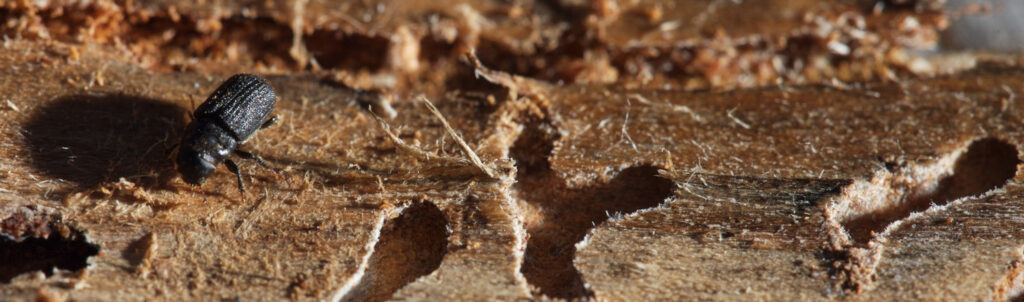
The Mountain Pine Beetle (Dendroctonus ponderosae) is a native insect to Western North America. In healthy forest ecosystems, they play a natural role, typically targeting weakened or older trees. However, under certain conditions – particularly prolonged drought and an abundance of mature, susceptible pines – populations can explode, leading to widespread epidemics.
These beetles primarily attack several species of pine, including Lodgepole, Ponderosa, Scotch, and Limber pines, all common in Colorado. The female beetle initiates the attack, boring through the bark and releasing pheromones that attract more beetles. This mass attack overwhelms the tree’s natural defenses.
The Lifecycle of Destruction:
Once inside, the beetles tunnel into the phloem layer, just beneath the bark. This layer is crucial for transporting nutrients throughout the tree. As they tunnel, they introduce a blue stain fungus, which further aids in killing the tree by blocking water transport.
Attack (Summer): Beetles bore into trees and lay eggs.
Larval Stage (Fall/Winter): Eggs hatch, and larvae feed under the bark.
Pupation (Spring): Larvae transform into pupae.
Emergence (Summer): New adult beetles emerge, ready to attack new trees, continuing the cycle.
Identifying an Infestation:
Early detection is key, but can be challenging. Here are some signs to look for:
Reddish-brown needles: This is often the most visible sign, but it occurs after the tree has been successfully attacked and is dying. The needles turn from green to a yellowish-green, then to a distinct reddish-brown over several months.
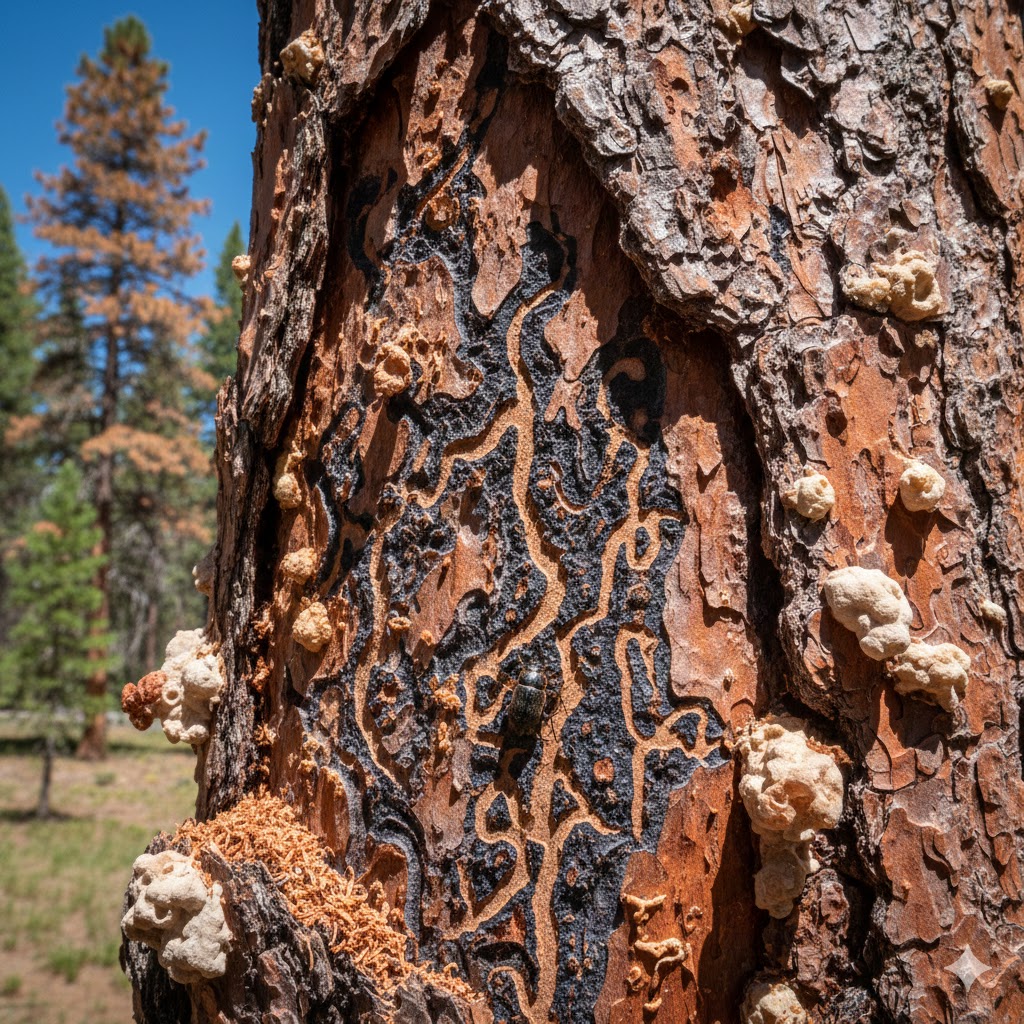
Popcorn-like pitch tubes: When a tree tries to defend itself, it exudes sap to push the beetles out. These pitch tubes look like small, hardened blobs of sap on the trunk, often mixed with boring dust.
Boring dust: Fine, reddish-brown sawdust visible in bark crevices or at the base of the tree. This indicates beetles are actively tunneling.
Gallery patterns: If you peel back the bark of an infected tree, you’ll see distinctive “J” or “S” shaped tunnels created by the beetles and larvae.
Why are Colorado’s Pines So Vulnerable?
Several factors have contributed to the widespread MPB outbreaks in Colorado:
Drought and Stress: Decades of drought have weakened trees, making them less able to produce the defensive sap needed to fight off beetle attacks.
Abundance of Mature Trees: Fire suppression policies over the last century have led to dense stands of mature pine trees, providing an ideal food source for MPB.
Climate Change: Warmer winters mean fewer beetles die off due to cold temperatures, allowing more to survive and reproduce.
What Can Be Done? Prevention and Management:
While controlling a widespread epidemic in natural forests is a monumental task, homeowners and landowners can take significant steps to protect their trees:
Maintain Tree Health: Healthy trees are more resistant.
Watering: Ensure your pine trees receive adequate water, especially during dry periods. Deep, infrequent watering is best.
Proper Pruning: Remove dead or diseased branches to reduce stress.
Avoid Injury: Protect trees from mechanical damage to the bark.
Chemical Prevention: For high-value trees, preventative insecticide sprays can be highly effective. These are applied to the bark, creating a barrier that kills beetles before they can bore into the tree.
Timing is Crucial: Sprays must be applied before the beetles attack, typically in late spring or early summer.
Professional Application: These treatments require specialized equipment and expertise for safe and effective application.
Removal of Infested Trees: Once a tree is successfully attacked and beetles are present, it cannot be saved.
Containment: Removing and properly disposing of infested trees (chipping, burning, or debarking) can help prevent the beetles from emerging and attacking nearby healthy trees. This is most effective if done before new beetles emerge in the summer.
Forest Management Practices: In larger forested areas, practices like thinning can reduce tree density and promote healthier, more resilient forests.
Our Role as Arborists:
As certified arborists, we are equipped to help you assess the risk of Mountain Pine Beetle on your property, identify infestations, and implement effective management strategies. This includes:
Tree Health Assessments: Evaluating the overall health and susceptibility of your pine trees.
Preventative Bark Treatments: Applying the appropriate insecticides safely and effectively.
Removal of Infested Trees: Safely removing and disposing of trees compromised by MPB.
Guidance and Education: Providing you with the knowledge to protect your trees long-term.
The Mountain Pine Beetle poses a serious threat to Colorado’s iconic pines. By understanding the beetle’s lifecycle, recognizing the signs of infestation, and taking proactive steps, we can work together to protect our valuable trees for generations to come. If you have concerns about your pine trees, call or text us today at (720) 298-7279 or use our FREE estimate form to get in touch. We look forward to hearing from you!